




















ISSMA was founded in the 1980s, but it began as two separate associations from the 1930s. After participation in music festivals had grown, it became noted that an association of some kind was needed. One of the associations formed was known as Northern Indiana School Band, Orchestra, and Vocal Association (NISBOVA) and the other, Indiana School Music Association (Central-Southern). They both had the same goal, to sponsor all music festivals for bands, orchestras, and choirs across Indiana. When they joined together in July of 1981, becoming the Indiana State School Music Association (ISSMA) they kept that goal.
In ISSMA, there are two different types of performances, Organizational Contest and State Qualifications. Organizational Contests are multi-day scored events that consists of ensembles from all around the state performing, but there are no opportunities to advance with this performance. While State Qualifications are very similar, how it differs is at the end. At the end, the 10 highest scoring bands move on to compete at State. This is the same for orchestra, where the 8 highest scoring Orchestras also move on to compete in State.
ISSMA contests are also extremely useful to bands because they provide a standardized scoring system. This allows competitors to track their progress and see areas of improvement over the years. Without a standardized scoring system, it would be inconsistent across schools, and it would be hard to track progress over extended periods of time. When talking about the benefits of standardized scoring, Associate Band Director Mr. Davis said, “it gives our students a goal to work towards.” If students were unable to receive consistent scoring, they would have no way of knowing where to set goals or whether they are making improvements.
Depending on how students perform, they receive either a gold, silver, bronze, or participation rating. During a performance, each of the 3 judges has a copy of the band’s music, score sheet, and a voice recorder. While a group is performing, the judges read along with the music sheet and give commentary on what they are hearing. The performing group does have the opportunity to go back and listen to what the judges say during their performance too. This helps groups understand their scoring better and make specific improvements based on the judges’ commentary and feedback. Then, the judges mark the scores on the score sheet and submit them to an official. To get the final ensemble rating, the 3 judges average their scores together and give bands a rating of gold, silver, bronze, or participation. Last year, every competing HSE band and orchestra group received a gold rating!
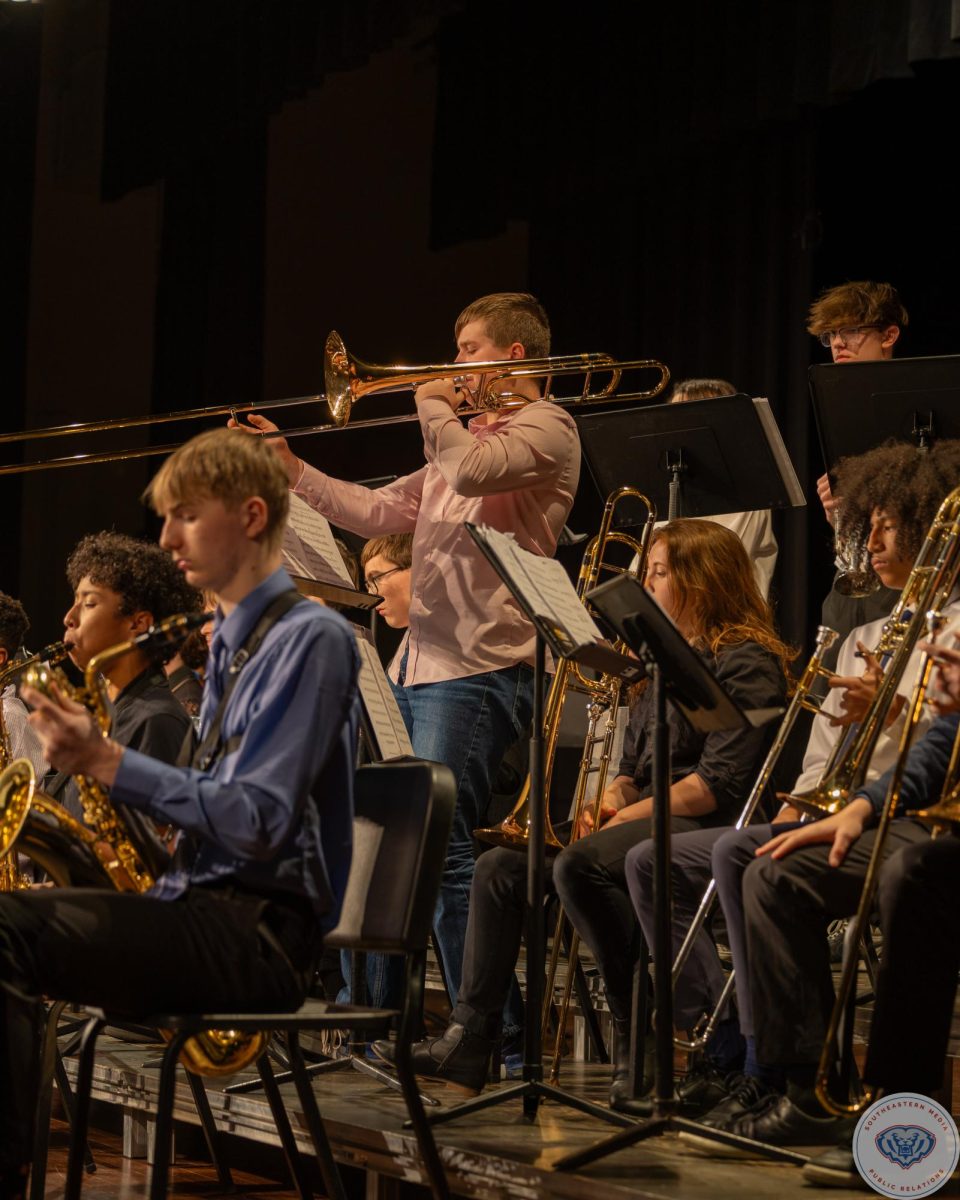
Overall, ISSMA gives extraordinary opportunities to bands and orchestras all over Indiana. Mr. Davis describes this as “…basically our Super Bowl.” Not only does it give performers unmatched opportunities for improvement due to consistent scoring and real time feedback, but it gives them something to work towards and work for. ISSMA provides high level competition that is truly above anything else in Indiana which also gives performers who want to pursue performing arts beyond high school an idea of what higher level bands and orchestras look like. HSE especially utilizes this, as each ensemble spends around 4 months preparing for their performances. Although ISSMA may not be as acknowledged as IHSAA, the Indiana Sports Organization, it is equally as important, and the performers deserve the same amount of recognition as athletes.